
Introduction to the Tongue Tear Test
The tongue tear test is an essential method used in material testing to evaluate the tear resistance of fabrics, geomembranes, and flexible materials. This test measures the tear strength of materials like plastics, textiles, and reinforced geomembranes by assessing the force needed to propagate a tear after an initial cut is made.
In various applications, such as in protective clothing or geomembrane liners, knowing how materials behave when subjected to tearing stresses is crucial for ensuring their reliability and longevity. One key standard used for this test is ASTM D5884, a widely accepted guideline for assessing tear propagation resistance in materials like geomembranes and fabrics.
Tear Propagation Resistance and Its Importance
The tear propagation resistance of materials determines how easily a tear can spread once initiated. This is especially significant for materials used in environments where they might be exposed to sharp objects, abrasions, or external forces.
For instance, in protective clothing, a material with low tear resistance might fail under stress, exposing the wearer to harmful elements. Similarly, for geomembranes used in applications like landfills or water containment, the ability of the material to resist tear propagation directly impacts its durability and ability to protect the environment.
Understanding tear strength of fabrics and how it behaves under stress is essential in various industries, especially in packaging, medical devices, and outdoor equipment. The tongue tearing strength of fabrics and materials reflects their performance in real-world conditions, providing valuable insight for manufacturers and end users alike.
Testing Procedure and Equipment for Tongue Tear Test
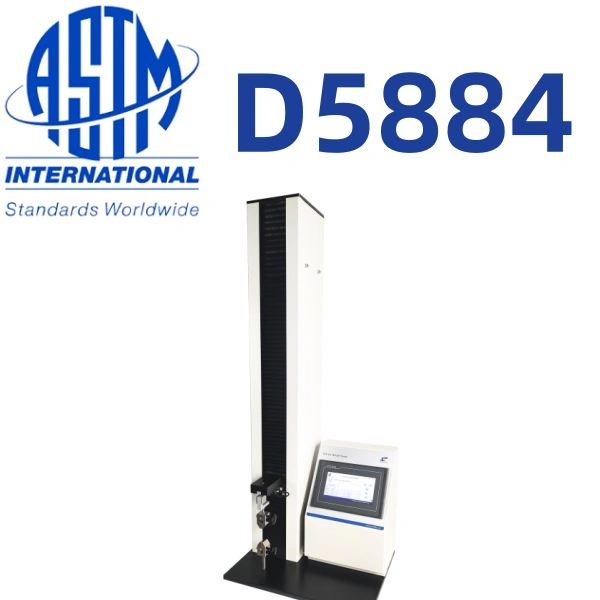
To perform the tongue tear test, a specimen is placed in a test machine, and a specific cut is made to form a tongue shape. The material is then clamped into the machine, and the grips are separated at a consistent rate. The machine records the force required to propagate the tear across the sample. The maximum force required to tear the material is used as a measure of its tear strength.
This procedure involves the following equipment:
- Tensile Testing Machine: Used to apply force to the material at a constant rate.
- Load Cell: Measures the force applied during the test.
- Specimen Holder: Keeps the material securely in place while the test is conducted.
- Needles for Creating the Cut: Used to make the initial cut (or “tongue”) in the specimen.
The results of this test provide data on how the material behaves under tensile stress, helping manufacturers determine its suitability for specific applications.
Applications of the Tongue Tear Test
The tongue tear test is essential for various applications across industries. Some common uses include:
- Protective Clothing: Fabrics used in personal protective equipment (PPE) need to be able to resist tearing under stress. The tongue tear test helps ensure that these materials maintain their integrity in hazardous environments.
- Geomembranes: Used in applications such as waste management and water containment, geomembranes must resist punctures and tears. This test helps evaluate their durability over time, particularly in harsh environmental conditions.
- Packaging Materials: In industries like food packaging, where materials must withstand handling and storage, the tear strength of plastic film is crucial. The tongue tear test can help assess packaging material performance during shipping and use.
- Textiles: Fabrics used in products like tents, tarps, and upholstery require strong tear resistance to prevent damage. The tongue tear test is an effective way to assess the material’s ability to resist tear propagation.